Posts

Showing posts with the label Functional clothing

Recycled Polyester and Regenerated Cellulosic Fibers: Bridging Sustainability or Posing Challenges?

Image
The United States, a significant importer of textiles, occupies a pivotal position in the endeavor to promote sustainable and ethical fashion practices. Within this context, major brands wield considerable influence that can be strategically leveraged to drive transformative and positive shifts. These influential brands possess the capacity to effect substantial changes in their material sourcing and production processes, thereby contributing meaningfully to the advancement of sustainable fashion. A highly impactful strategy that these prominent brands can readily embrace involves the prioritization of environmentally friendly materials. This includes the utilization of organic cotton and an array of alternative natural fibers such as wool, silk, jute, and hemp. By actively investing in these sustainable materials, brands stand to significantly reduce the ecological footprint traditionally associated with textile production. This conscious shift not only mitigates the use of harmfu...

The Diverse World of Clothing: From Tradition to Modernity

Image
Clothing encompasses any item donned on the human body; it may also be referred to as attire, garments, dress, or apparel. Traditionally, clothing is fashioned from fabrics or textiles, although it has historically included attire made from animal skins, thin sheets of materials, and natural resources found in the environment, ingeniously assembled. The practice of adorning clothing is a distinctive characteristic of human societies across the globe. The selection and extent of clothing worn are influenced by factors such as gender, body shape, social norms, and geographical considerations. Various clothing articles serve different purposes: garments encompass the body, footwear shields the feet, gloves enclose the hands, while hats and headgear cover the head, and undergarments cater to privacy needs. The Diverse and Evolving Purposes of Clothing in Human Society Clothing provides a physical barrier between our bodies and the external environment. It shields us from elements like extr...

Reviving Tradition: The Timeless Practice of Circular Fashion

Image
Circular fashion, also known as sustainable or eco-friendly fashion, refers to a concept that promotes the reuse, recycling, and repurposing of clothing items to minimize waste and reduce the environmental impact of the fashion industry. The idea of circularity in fashion is not a recent development but has roots in history, where people used to make the most out of their clothing resources. What is circularity in fashion? Circular fashion represents a comprehensive design approach deeply rooted in Indigenous ancestry, focused on the objective of "designing out waste" by minimizing the utilization of natural resources in clothing production and diverting products away from landfills. In essence, circular fashion, operating as a closed-loop system, endeavors to create new materials from existing ones, thereby promoting sustainability and responsible resource management. History During the monarch times and through the years, clothing was a valuable and limited resource for mos...

Textile dyeing

Image
Textile dyeing: Effect of dye on different textile materials Dye is a substance that imparts color to a material by chemically or physically bonding to its surface. It is used to color various materials, including textiles, paper, leather, and even food. In the context of textiles, dyes are essential for creating vibrant and diverse colors in fabrics, garments, and other textile products. There are different types of dyes used in the textile industry, and their selection depends on the fiber type, desired color, and intended application. Some common types of textile dyes include: Natural Dyes : These dyes are derived from plants, insects, or minerals, and they have been used for centuries to color textiles. They can produce a wide range of colors, but their colorfastness may vary. Direct Dyes : These water-soluble dyes directly bond to the textile fibers, particularly cellulosic fibers like cotton and rayon. They are relatively easy to apply but may require additional treatments for im...

Knitting

Image
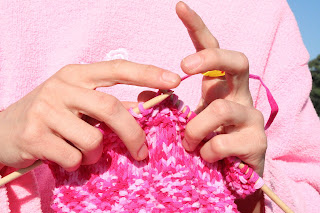
Weft Knitting and Warp Knitting: Versatility in Textile Production Introduction: The essay delves into the fascinating world of knitting, a time-honored textile production method with a rich history of creating diverse fabrics. It introduces two primary knitting techniques: weft knitting and warp knitting, each possessing unique characteristics and applications. Both methods have played pivotal roles in the textile industry, offering a plethora of advantages and contributing to a wide range of products used in everyday life. Weft Knitting: Weft knitting is the most common and widely used method of knitting, particularly on circular knitting machines. In this technique, a continuous yarn is formed into rows of interlocking loops along the horizontal axis of the fabric. The yarn runs in a crosswise direction, forming loops around each other to create the fabric. Advantages of Weft Knitting: Versatility: Weft knitting allows for a wide range of fabric types, including single jersey, doub...